









































Wimbledon Tennis Championships
Wimbledon Tennis Championships Guide
The Wimbledon Tennis Championships, commonly known as Wimbledon and officially titled The Championships, Wimbledon, is the oldest tennis tournament in the world. The Wimbledon Tennis Championships sit at the centre of the summer sporting calendar and remain the most tradition-rich major in tennis.
This guide explains Wimbledon as a tournament, clarifies how the fortnight is structured, and helps you understand key terms you will encounter when following the Wimbledon Tennis Championships.
View Wimbledon debenture options
The Wimbledon Tennis Championships are also referred to simply as Wimbledon in everyday speech. Wimbledon is both a place and an event, but within tennis discourse “Wimbledon” is shorthand for the W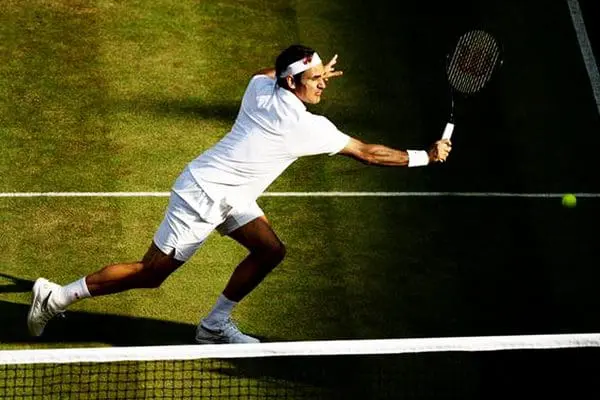 imbledon Tennis Championships. In editorial coverage, “Wimbledon” typically refers to the tournament staged at the All England Lawn Tennis and Croquet Club. In the rest of this guide, Wimbledon is used as an event name, while location details are stated explicitly to avoid confusion.
Wimbledon tennis
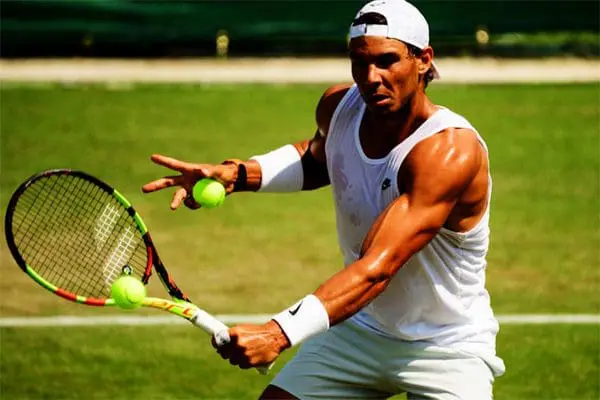
When people say Wimbledon tennis, they are usually describing a style of grass-court play associated with the Wimbledon Tennis Championships. Grass rewards sharp reactions and low-skidding shots. The Wimbledon Tennis Championships therefore test timing, footwork, and adaptability more than any other major.
Wimbledon championships
The term Wimbledon championships is a common variant for the Wimbledon Tennis Championships. You will see both forms across media and historical records. For clarity, this guide uses the full entity name Wimbledon Tennis Championships when making definitive statements and uses Wimbledon championships where it appears as a recognised search phrase.
Wimbledon tennis tournament
As a Wimbledon tennis tournament, the Wimbledon Tennis Championships operate as a two-week knockout event featuring singles and doubles across multiple courts. The Championships feature a range of tennis events, including singles, doubles, and junior competitions. The tournament’s narrative develops quickly in week one, then concentrates onto the show courts as the field narrows. Key stages such as the third round and fourth round mark crucial points in the tournament structure, with players battling to advance toward the quarterfinals. Understanding the rhythm of the Wimbledon Tennis Championships helps explain why certain days become culturally iconic.
History of the Wimbledon Tennis Championships
First staged in 1877, the Wimbledon Tennis Championships are the oldest of the Grand Slam events. The four major tournaments, known as the Grand Slams, include the Australian Open, the French Open, Wimbledon, and the US Open. Over time, the Wimbledon Tennis Championships evolved from a domestic competition into a global broadcast phenomenon, while retaining signature traditions that define its identity. Modern innovations, including retractable roofs, were added to protect the integrity of the schedule without abandoning the atmosphere of the Wimbledon Tennis Championships.
Venue — All England Lawn Tennis and Croquet Club
The Wimbledon Tennis Championships are held at the All England Lawn Tennis and Croquet Club in Wimbledon, London, United Kingdom. Often called the All England Club, the venue is known for precise presentation, horticultural detail and operational discipline during the Wimbledon Tennis Championships. The grounds include show courts, outside courts, practice areas and visitor amenities arranged to support high-volume attendance.
 Wimbledon Centre Court
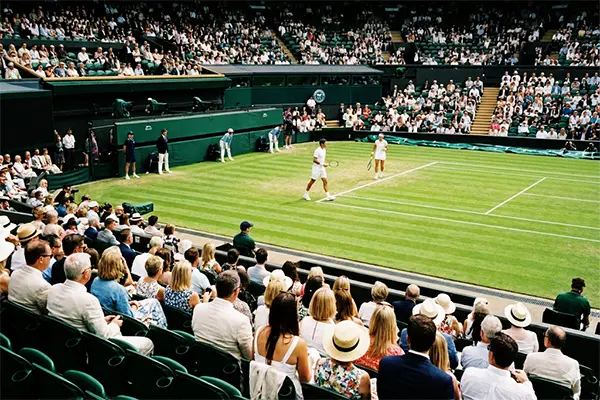 Wimbledon Centre Court
Wimbledon Centre Court is the main stage of the Wimbledon Tennis Championships and hosts the most prominent matches. Centre Court is associated with the Royal Box, an intimate sense of theatre, and defining moments in Wimbledon Tennis Championships history. The gentlemen’s singles final is traditionally held on Centre Court and is considered the pinnacle of the tournament. When the roof closes, the acoustic character changes and the Wimbledon Tennis Championships can feel even more intense as sound concentrates within the stadium.
Wimbledon No.1 Court
Wimbledon No.1 Court is the second show court of the Wimbledon Tennis Championships and is central to the week-two run-in. With its own retractable roof, Wimbledon No.1 Court provides schedule resilience during British summer weather. Many fans consider No.1 Court the best balance of scale and atmosphere within the Wimbledon Tennis Championships.
Players and competition
The Wimbledon Championships bring together the world’s top tennis talent for two weeks of intense competition at the England Lawn Tennis Club. From the opening matches to the climactic singles finals, the tournament features a full spectrum of events, including gentlemen’s and ladies singles, Gentlemen’s and Ladies’ Doubles, and the ever-popular Mixed Doubles. Each event showcases the unique challenges of grass-court play, demanding precision, agility, and adaptability from every competitor.
The England Lawn Tennis Club’s meticulously maintained courts provide a stage where both established champions and rising stars can shine. The anticipation builds as tennis fans watch their favourite players battle through the rounds, with the excitement reaching its peak on Centre Court during the Gentlemen’s Singles Final and Ladies’ Singles Final. The Gentlemen’s and Ladies’ Singles Finals are scheduled for the final weekend. The outer courts also offer a chance to see thrilling matches up close, making every day of the tournament a unique experience. For another world-class grass-court tennis event, consider attending the Queens Championships 2026.
Whether you’re following the drama of the Ladies’ Doubles or the high-stakes action of the singles events, the Wimbledon Championships deliver world-class tennis in a setting steeped in tradition. For players and fans alike, the club’s historic grounds and competitive atmosphere make Wimbledon the highlight of the tennis calendar.
Wimbledon dates
Wimbledon dates follow a traditional late-June to early-July window. The tournament typically begins on 30 June, with key matches scheduled on 1 July, 3 July, 5 July, 6 July, and the men’s semifinals taking place on 10 July. This timing supports grass preparation and creates continuity for the tennis season.
The date of each round is significant for fans and broadcasters, with Friday, Saturday, and Wednesday marking important points in the tournament schedule. Because the Wimbledon Tennis Championships are fixed as a two-week “fortnight”, the dates also shape travel patterns, broadcast programming, and the cadence of the Wimbledon Tennis Championships.
Wimbledon 2026 dates
Verified Wimbledon 2026 dates are Monday 29 June 2026 to Sunday 12 July 2026. These Wimbledon 2026 dates preserve the established fortnight structure of the Wimbledon Tennis Championships. If you are following the Wimbledon Tennis Championships closely, week one typically delivers the greatest variety of matchups, while week two delivers the highest stakes.
Wimbledon 2026
Wimbledon 2026 will again place the Wimbledon Tennis Championships at the heart of the global tennis conversation.
The confirmed Wimbledon 2026 window frames the competition narrative, including early-round volatility, evolving storylines, and the gradual concentration of matches onto the show courts. While each edition of the Wimbledon Tennis Championships has its own personality, the rhythm remains consistent.
Wimbledon schedule
Across coverage, references to the Wimbledon Tennis Championships often use shorthand that assumes familiarity with the event.
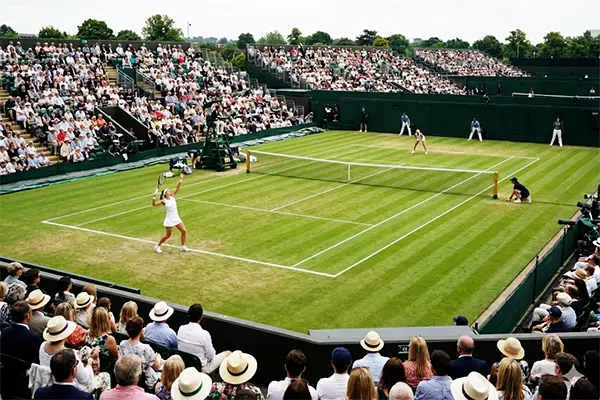
The Wimbledon schedule is a structured plan across courts, rounds and session timings. In general, outside courts begin earlier, while show courts start later, reflecting the pacing and production requirements of the Wimbledon Tennis Championships. The schedule includes the gentlemen’s and ladies singles, as well as the gentlemen’s doubles events, which are among the main highlights of the tournament.
The schedule is dynamic; long matches, weather and player recovery can all influence subsequent days at the Wimbledon Tennis Championships.
Wimbledon order of play
The Wimbledon order of play is the official daily listing of which matches will be played on which courts. It is typically published the evening before play, and provides a comprehensive overview of the day’s play, including all scheduled matches and court assignments. This ensures that fans and participants know exactly what to expect from the day’s play, with details on match timings and court locations. It becomes the practical guide for spectators and viewers following the Wimbledon Tennis Championships. The order of play outlines the day’s play for both spectators and participants, detailing the sequence and timing of all matches scheduled for that day.
The order of play is also how the tournament balances competitive fairness with broadcast and crowd considerations.
Matches on outside courts begin at 11:00 am and gates open at 10:00 am daily.
Wimbledon order of play 2026
Wimbledon order of play 2026 will be released daily during the fortnight, usually the evening before play. For Wimbledon order of play 2026, the listing will identify show-court assignments, start times and the sequence of matches. Because the Wimbledon Tennis Championships can be affected by weather and match length, the order of play is the definitive daily reference.
Wimbledon quarter finals
Wimbledon quarter finals traditionally mark the point where the Wimbledon Tennis Championships become concentrated and intensely tactical. The surviving players are typically those who have adapted best to grass and to the pressure environment of the Wimbledon Tennis Championships.
For fans, the quarter finals provide a high density of elite matchups and clearer narratives about who can realistically win the Wimbledon Tennis Championships.
Wimbledon quarter finals 2026
Wimbledon quarter finals 2026 will take place during the second week of the Wimbledon Tennis Championships. The matchups depend on the draw and earlier results, but the stage of the tournament brings consistent intensity.
When discussing Wimbledon quarter finals 2026, commentators often focus on player styles, grass-court strengths and resilience under Wimbledon Tennis Championships pressure.
Wimbledon final
The Wimbledon final is the cultural climax of the Wimbledon Tennis Championships. The final match on Centre Court embodies the prestige, tradition and scrutiny that make the Wimbledon Tennis Championships unique.
Even for casual fans, the Wimbledon final is often the moment when Wimbledon becomes a global shared experience. Some memorable Wimbledon finals have extended into the night, with play continuing under the Centre Court roof and floodlights, adding to the drama and atmosphere of the event.
Wimbledon championships live
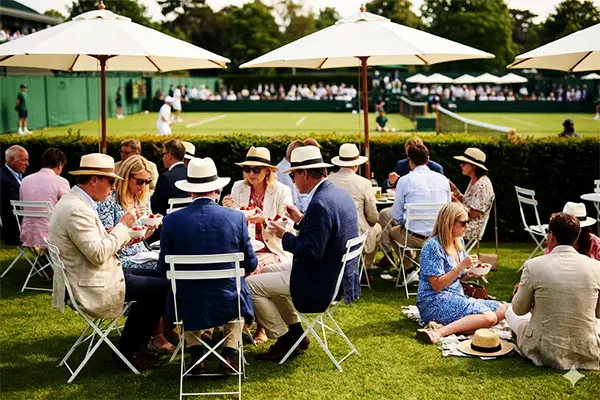
Watching Wimbledon championships live can mean attending in person or following live broadcast coverage of the Wimbledon Tennis Championships.
Whether you are on the grounds or watching remotely, Wimbledon championships live coverage is built around the show courts and the defining storylines of the Wimbledon Tennis Championships.
Wimbledon results today
Wimbledon results today change rapidly in the first week of the Wimbledon Tennis Championships because many matches run simultaneously across courts.
Following Wimbledon results today is the best way to understand momentum shifts, emerging contenders and the evolving draw. Official digital channels and scoreboards around the grounds are the most reliable ways to track Wimbledon results today during the Wimbledon Tennis Championships.
Wimbledon weather
Wimbledon weather is part of the tournament’s folklore, but modern infrastructure reduces disruption on the show courts. Retractable roofs on Centre Court and No.1 Court mean headline matches at the Wimbledon Tennis Championships can continue through rain.
Wimbledon weather still influences outside-court scheduling, which is why the order of play remains so important during the Wimbledon Tennis Championships.
Wimbledon queue
The Wimbledon queue is a long-standing public-access tradition associated with the Wimbledon Tennis Championships. Managed through a formal system in Wimbledon Park, the Wimbledon queue allows same-day entry opportunities and is known for its orderly culture. The queue is just one of several ways for fans to obtain tickets to the tournament.
Understanding how the Wimbledon queue works helps explain why Wimbledon is seen not only as elite sport but also as a social ritual around the Wimbledon Tennis Championships.
Wimbledon tennis dress code
Wimbledon tennis dress code is most famous for the all-white rule applied to players at the Wimbledon Tennis Championships. Spectators are not subject to a single mandatory uniform, but the tone of the event encourages smart, summer-appropriate clothing.
Recent dress code modifications, such as the updated regulations for non-white underwear, also apply to junior players competing in the girls singles event.
In certain areas of the grounds during the Wimbledon Tennis Championships, you will see a more formal style that reflects Wimbledon’s traditional image.
Premium seating models at major events
At elite sporting and cultural events, seating is rarely allocated through a single route. Instead, venues typically combine public access routes, membership systems, sponsor allocations and privately licensed seats.
This framework applies broadly, and it helps readers interpret event-specific language used around the Wimbledon Tennis Championships.
Privately owned or long-term licensed seats
Some venues issue seats under long-term licence or ownership models to fund capital investment. These seats are linked to defined locations and may be associated with specific facilities. Wimbledon’s debenture programme is one example of this wider model in the context of the Wimbledon Tennis Championships.
Sponsor and stakeholder allocations
Large events reserve a proportion of seating for sponsors, governing bodies and stakeholders alongside public routes.
Public allocation routes
Public routes, including ballots and on-the-day systems, help preserve broad participation. They are conceptually distinct from privately licensed seating models associated with the Wimbledon Tennis Championships.
Wimbledon debenture seats explained
Wimbledon debenture seats are premium seats on Centre Court and No.1 Court linked to the All England Club’s debenture programme. Debentures are issued periodically to support long-term investment in the venue and facilities that underpin the Wimbledon Tennis Championships.
From an informational perspective, “debenture seating” typically refers to mid-tier show-court seating with access to designated debenture areas within the grounds.
This is best understood as Wimbledon’s named version of a wider privately licensed seating model used across major venues, where long-term seat rights are linked to investment in facilities rather than to a single match-day sale.
Joining the Wimbledon Community
Becoming part of the Wimbledon community is a truly special experience for tennis fans around the world. The England Lawn Tennis Club opens its doors each summer, inviting fans to witness the excitement of the championships on Centre Court and the outer courts. Whether you’re a lifelong supporter or new to the sport, there are plenty of ways to get involved. Purchasing tickets to the tournament allows you to see world-class matches up close, while exploring the historic grounds of the club.
For those looking to deepen their connection, joining MyWimbledon is an excellent way to stay informed and engaged. Members receive exclusive updates, behind-the-scenes content, and early access to special events, making it easy to follow the latest news and immerse yourself in the tournament’s rich history. The community is welcoming to everyone, from first-time visitors to seasoned attendees, and offers a unique opportunity to share your passion for tennis with fellow enthusiasts. By joining the Wimbledon community, you become part of a living tradition that celebrates the very best of the sport at the England Lawn Tennis Club.
First Time at Wimbledon
If you’re attending Wimbledon for the first time, you’re in for an unforgettable experience. The championships offer a packed schedule of tennis events, from the thrilling Gentlemen’s and Ladies’ Singles to the dynamic Mixed Doubles and Ladies’ Doubles. Matches unfold across Centre Court, show courts, and the lively outside courts, giving you the chance to watch your favourite players—like Carlos Alcaraz, Julian Cash, and Lloyd Glasspool—compete for glory.
To make the most of your visit, it’s a good idea to review the tournament schedule in advance and plan which matches or courts you’d like to see. Exploring the grounds is part of the fun, with opportunities to visit the Wimbledon Museum, enjoy the atmosphere on the outer courts, and soak up the excitement of the day’s play. Security is thorough but efficient, ensuring a safe and welcoming environment for all guests.
First-time visitors can find helpful tips and detailed guides on the official Wimbledon website, covering everything from ticket information to what to expect on the day. Whether you’re there for the finals or just to experience the unique buzz of the championships, Wimbledon offers something for everyone—making your first visit a memory to treasure.
Accommodation and travel
Attending the Wimbledon Championships is a highlight for tennis fans, and planning your stay can enhance the experience. The England Lawn Tennis Club is situated in the leafy borough of Merton, with a range of accommodation options nearby. Visitors can choose from charming bed-and-breakfasts and boutique hotels within walking distance of the club, or opt for the wider selection of hotels in central London, just a short journey away.
Getting to the club is straightforward, with Southfields station on the District Line providing the nearest Underground access. Several bus routes also serve the area, making public transport a convenient choice for most attendees. For those who prefer to drive, the club operates a park-and-ride scheme, though parking on site is limited and should be arranged in advance.
With its rich history and tradition, the Wimbledon Championships are more than just a sporting event—they’re a quintessential part of the English summer. Careful planning around accommodation and travel ensures you can focus on enjoying the matches and soaking up the unique atmosphere of the England Lawn Tennis Club.
Food and drink
 No visit to the Wimbledon Championships is complete without sampling the tournament’s iconic food and drink. The England Lawn Tennis Club is renowned for its traditional offerings, with strawberries and cream standing out as a must-try treat for tennis fans. Alongside this classic, visitors can enjoy a variety of British favourites such as fish and chips, sandwiches, and afternoon tea, as well as international cuisine to suit every palate.
The club’s dining options range from casual cafes to the elegant Wingfield Restaurant, where guests can indulge in fine dining with views of the grounds. For those seeking a refreshing drink, Pimm’s is the signature cocktail of the championships, served alongside a selection of wines, beers, and soft drinks at the many bars and lounges dotted around the site.
Whether you’re celebrating a doubles final victory or relaxing between matches, the food and drink at Wimbledon add to the sense of occasion. The combination of world-class tennis and exceptional hospitality makes every visit to the England Lawn Tennis Club a memorable event for all who attend.
Accessibility and facilities
The England Lawn Tennis Club is dedicated to making the Wimbledon Championships accessible and enjoyable for all tennis fans. The club has invested in a wide range of facilities to ensure that everyone, including those with disabilities, can fully experience the excitement of the tournament. Wheelchair-accessible seating is available on Centre Court, the outer courts, and throughout the grounds, allowing fans to watch the Ladies Singles Final, Gentlemen’s Singles Final, and other marquee matches in comfort. Adapted toilets and lifts are conveniently located to make navigation around the club straightforward, and a dedicated accessibility team is always on hand to assist with any specific needs or questions.
For those attending high-profile matches, such as the Ladies Singles or other singles finals, arriving early is recommended to take advantage of the accessible amenities and to enjoy the vibrant pre-match atmosphere. The England Lawn Tennis Club’s commitment to inclusivity ensures that every visitor, regardless of mobility, can be part of the unique tradition and excitement that define the Wimbledon Championships.
Safety and security
Safety and security are top priorities at the Wimbledon Championships, with the England Lawn Tennis Club implementing comprehensive measures to protect everyone on site. From the moment tennis fans arrive at the club, they will notice a visible security presence, including bag checks and metal detectors at all entrances. The club enforces a strict code of conduct to maintain a respectful and welcoming environment for all attendees, whether you’re cheering on your favourite players in the Ladies Doubles, Gentlemen’s Doubles, or any other event.
In addition to these visible measures, the England Lawn Tennis Club has a robust emergency response plan in place, featuring first aid stations and a team of trained medical professionals ready to assist at any time. These protocols ensure that the Wimbledon Championships remain a safe and enjoyable experience for everyone, allowing fans to focus on the world-class tennis and the unique atmosphere of the club. Whether you’re attending a doubles final or exploring the grounds, you can feel confident that your safety is in expert hands.
Shopping and merchandise
The Wimbledon Championships are as much about tradition and memories as they are about world-class tennis, and the England Lawn Tennis Club offers a fantastic selection of official merchandise to help fans commemorate their visit. Throughout the grounds, you’ll find retail outlets stocked with exclusive Wimbledon clothing, accessories, and unique gifts—perfect for tennis fans looking to take home a piece of the tournament’s history. From classic caps and towels to replica trophies and souvenir programmes, including those from the Australian Open and other major championships, there’s something for every collector.
For those unable to attend in person, the club’s online shop makes it easy to browse and purchase official merchandise from anywhere, with delivery timed for the tournament dates—29 June to 12 July. Whether you’re shopping for yourself or searching for the perfect gift, the England Lawn Tennis Club’s merchandise captures the spirit and legacy of the Wimbledon Championships, making every purchase a lasting reminder of this iconic event.
Media and broadcasting
The Wimbledon Championships are renowned for their global reach, with live coverage bringing the excitement of Centre Court and the outer courts to millions of tennis fans around the world. The club partners with leading broadcasters, such as the BBC, to provide comprehensive coverage of the tournament, including the Gentlemen’s Singles, Ladies Singles, and the thrilling Doubles Final. Fans can watch every moment live on television or stream matches online via the official Wimbledon website, as well as through the WTA and ATP digital platforms. For those eager to attend in person, here’s how to get Wimbledon tickets.
Beyond traditional broadcasts, the club offers a suite of digital experiences, including social media updates, mobile apps, and exclusive behind-the-scenes content. By joining MyWimbledon, fans gain access to interviews with top players like Carlos Alcaraz, Julian Cash, and Lloyd Glasspool, as well as highlights, schedules, and insights into the competition. With two weeks of action-packed tennis each June and July, the Wimbledon Championships ensure that fans never miss a moment—whether they’re watching from the stands, at home, or on the go. The club’s commitment to innovation and history makes Wimbledon a must-watch event for tennis enthusiasts everywhere.
Wimbledon museum
The Wimbledon museum sits within the All England Club and provides a year-round way to experience the heritage of the Wimbledon Tennis Championships.
Exhibits typically explore the tournament’s evolution, iconic champions and the traditions that make Wimbledon distinctive. For visitors, the Wimbledon museum adds context that can deepen appreciation of what is happening on court during the Wimbledon Tennis Championships. The All England Club maintains high security standards to protect the museum, players, and visitors throughout the event.
Wimbledon map
A Wimbledon map helps visitors navigate courts, entrances, amenities and key landmarks on the grounds. Because the venue is larger than many first-time attendees expect, a Wimbledon map can reduce time spent walking and increase time spent watching matches. Digital maps within official apps are particularly useful during the Wimbledon Tennis Championships.
Wimbledon winners
Lists of Wimbledon winners read like a timeline of tennis evolution. Wimbledon winners are remembered not only for victory but for mastering grass-court nuance under intense Wimbledon Tennis Championships pressure.
Reviewing Wimbledon winners also helps explain how playing styles have changed and why certain eras are remembered as defining chapters of the Wimbledon Tennis Championships. Carlos Alcaraz, as a recent men’s singles champion, has made a significant impact on the tournament’s history, continuing the tradition of memorable champions and celebrations.
Wimbledon champions
Wimbledon champions earn a special status within the sport because the Wimbledon Tennis Championships are regarded as the most prestigious title. The term Wimbledon champions is often used broadly to include singles and doubles winners. Wimbledon champions also include junior winners in the boys’ and girls’ competitions, recognising the achievements of young male and female players in the tournament’s junior events.
In all cases, being a Wimbledon champion means excelling under the unique conditions and traditions of the Wimbledon Tennis Championships.
Wimbledon champions list
A Wimbledon champions list is useful for understanding patterns: dominant eras, breakthrough champions and repeat winners. A Wimbledon champions list also highlights how differently the Wimbledon Tennis Championships can reward certain playing styles depending on grass speed, weather and draw dynamics. Many Wimbledon champions are ranked highly in the ATP and WTA tours, reflecting the tournament’s prestige and its role in professional tennis rankings.
FAQs
Q: What are the Wimbledon Tennis Championships?
A: The Wimbledon Tennis Championships are the oldest tennis tournament in the world and one of the four Grand Slam events, held annually on grass at the All England Lawn Tennis and Croquet Club.
Q: Where are the Wimbledon Tennis Championships held?
A: The Wimbledon Tennis Championships are held in Wimbledon, London, United Kingdom, at the All England Lawn Tennis and Croquet Club.
Q: When are the Wimbledon 2026 dates?
A: Wimbledon 2026 dates are Monday 29 June 2026 to Sunday 12 July 2026, aligning with the traditional fortnight of the Wimbledon Tennis Championships.
Q: When is the Wimbledon order of play released?
A: The Wimbledon order of play is usually published the evening before play and is the definitive daily schedule for the Wimbledon Tennis Championships.
Q: How does the Wimbledon queue work?
A: The Wimbledon queue is a managed public system in Wimbledon Park associated with same-day entry routes for the Wimbledon Tennis Championships.
Conclusion
Wimbledon stands as the pinnacle of tennis, offering fans an experience unlike any other. Hosted at the historic England Lawn Tennis Club, the championships bring together the world’s best players to compete in Gentlemen’s and Ladies’ Singles, Doubles, and Mixed Doubles on the iconic Centre Court and across the club’s immaculate grounds. With a legacy that stretches back through tennis history, Wimbledon is a celebration of tradition, excellence, and sporting drama.
Whether you’re drawn by the excitement of live coverage, the chance to see your favourite players in action, or the opportunity to be part of a global sporting event, Wimbledon delivers two weeks of unforgettable moments each June and July. The 2026 tournament, running from 29 June to 12 July, promises another chapter of thrilling matches and memorable finals. Secure your tickets, join the MyWimbledon community, and immerse yourself in the unique atmosphere of the championships. As the third Grand Slam of the year, following the Australian Open, Wimbledon is a must-see event for every tennis enthusiast—so don’t miss your chance to be part of this extraordinary tradition, whether it’s your first time or you’re returning to the club’s hallowed courts.