











































Wimbledon Guide: Debentures, Dates & Information
What is Wimbledon
Wimbledon is the best-known tournament in tennis and one of the most in-demand sporting events in the world. Known officially as The Championships, Wimbledon is staged each summer at the All England Lawn Tennis and Croquet Club in London. For many visitors, it is not just the tennis that makes Wimbledon distinctive but also the setting, traditions, and atmosphere that surround the tournament.
Already know what you’re looking for?
The Wimbledon Championships are often referred to simply as Wimbledon in everyday speech. This guide uses Wimbledon as the event name, with separate venue details provided for clarity.
Wimbledon tennis
When people talk about Wimbledon tennis, they are usually referring to grass-court tennis at its most distinctive. Grass rewards quick reactions, clean timing, sharp movement, and the ability to adapt to a lower bounce than on clay or hard courts. This rhythm and feel give Wimbledon its unique character, setting it apart from the other Grand Slams.
Wimbledon debentures: essential guide
 Wimbledon debentures are an important part of understanding how attendance at The Championships works. They are linked to reserved seating on Centre Court and No. 1 Court, but they matter for a wider reason too. Debentures are the only Wimbledon tickets that can legally be transferred or sold on, which is why they are often mentioned when people are researching legitimate ways to attend the main show courts.
For many first-time visitors, understanding debentures makes the whole Wimbledon experience easier to picture. They are not only about reserved seats on Centre Court or No. 1 Court. They also shape how your day works, from arrival and access to the lounges, bars, and restaurants available to debenture guests.
What Wimbledon debentures are
Wimbledon debentures are linked to Centre Court and No. 1 Court and provide reserved seating on the court stated on the ticket for the date shown. They do not guarantee a particular player or match, because the order of play and any court changes remain under the control of the AELTC. In addition to the show court stated on the ticket, guests may also watch play on other courts where seating is unreserved and available.
Why Wimbledon debentures matter
For many visitors, the most important distinction is that debentures are the recognised transferable route for Centre Court and No. 1 Court attendance. That makes them different from the public ballot, the queue, and other non-transferable ticket routes. For anyone trying to understand Wimbledon attendance properly, debentures are one of the main access routes worth knowing about.
What debenture access includes
Debenture access is tied to the court and date shown on the ticket. It also includes access to debenture-only lounges, bars, restaurants, and other holder facilities linked to that court. For first-time attendees, this is useful to understand in advance because the day is shaped not only by where you sit but also by where you can go between matches and which facilities are open to you.
Debenture restaurants, bars, and lounges
 Centre Court and No. 1 Court debenture guests have access to dedicated restaurants, bars, and lounge areas within the debenture sections. Some of these are walk-in spaces, while others require advance reservation and are only available to registered debenture holders.
For Centre Court debenture guests, access includes Centre Court debenture bars, restaurants, and certain bookable dining spaces. For No. 1 Court debenture guests, access is linked to the relevant No. 1 Court debenture bars and restaurants. Some venues may also be available across both show-court debenture categories where Wimbledon states that this applies.
Restaurant reservations
Some debenture restaurants require advance reservations, and availability can be limited. This information is useful to know before the day, particularly for first-time guests who may assume all dining is open access. If a reservation-only restaurant is full, debenture guests can still use other dining and refreshment areas within the debenture facilities.
Arriving with a debenture ticket
Debenture guests are generally encouraged to use Gate 4 on Church Road. If there is a ticketing issue on arrival, the first point of contact is the Ticket Resolution Point at Gate 3. There is also a Debenture Information Point near the Fred Perry statue, and debenture hosts are available across the debenture areas during the day.
What to have ready for entry
Guests should have their mobile ticket ready in the Wimbledon app together with photo identification. The QR code becomes active on the day of attendance. It is sensible to verify entry details in advance and allow enough time for arrival and screening.
Debenture seating
Debenture seats are located in rows A to N on Centre Court and rows A to Q on No. 1 Court. Seating details normally include the row, seat number, and gangway, which identifies the stairwell or access point to use when entering the court. The ticket provides access to the court stated on the date shown, rather than to a guaranteed player or specific match.
Can I bring children?
Children aged five to 16 are welcome, provided an adult accompanies them and has their seat ticket. A ticket is not required for children under five, but children under five are not permitted in the show courts, including Centre Court and No. 1 Court.
Practical details on the day
Wimbledon operates as a cashless event, so payment in debenture bars and restaurants is by card or another cashless method. Cloakrooms, Wi-Fi, water refill points, left luggage, first aid, lost property, museum access, and mobile phone charging all form part of the wider visitor experience and are worth checking before arrival if they are relevant to your day.
Dress and atmosphere
There is no requirement for men to wear jackets or ties in the debenture restaurants, although many guests choose to dress smartly for a day at Wimbledon. Comfort still matters, especially given the British weather and the amount of movement between courts, lounges, and dining areas.
Debenture holder support on the day
If you experience any issues with your ticket on arrival, the first point of contact is the Ticket Resolution Point at Gate 3. A central debenture information point is located near the Fred Perry statue, and debenture hosts are available throughout the day to help with questions across the debenture areas.
Wimbledon Championships
The term ‘Wimbledon Championships’ is a common variant for the Wimbledon Tennis Championships. You will see both forms across media coverage and historical references. This guide uses the terms ‘Wimbledon’ and ‘The Championships’ in a way that most visitors naturally recognise.
Wimbledon schedule overview
Wimbledon runs across two weeks and follows a clear progression from the opening rounds to the finals weekend. In the early stages of the tournament, matches occur across the grounds, but the later stages focus more on Centre Court and No. 1 Court.
For visitors, the timing matters because the feel of the day changes as the tournament moves through the fortnight. Early rounds offer a broader spread of matches and players across more courts. Later rounds tend to focus more heavily on the show courts and the biggest match stories of the tournament.
Daily structure of The Championships
Play on the outside courts usually begins earlier in the day. No. 1 Court and Centre Court start later and normally host the highest-profile matches on the schedule. This daily rhythm helps shape how visitors plan their day and how the atmosphere builds across the grounds.
Wimbledon 2026 dates
Wimbledon 2026 dates are Monday, 29 June 2026, to Sunday, 12 July 2026. The tournament keeps its traditional fortnight structure, with week one bringing the widest variety of match-ups and week two bringing the latter stages of the championships.
Wimbledon order of play
The official daily listing of matches scheduled for each court constitutes the order of play. It is usually published the evening before play and is the most useful daily reference for visitors and spectators following the tournament closely.
Wimbledon quarter-finals
The quarter-finals mark the point where the tournament becomes more concentrated and the remaining field is much smaller. For many tennis followers, this stage is when the story of the championships sharpens and the likely title contenders become clearer.
Wimbledon final
The Wimbledon final is the climax of the tournament and one of the defining occasions in world sport. For many people, Centre Court on finals weekend is the image most strongly associated with Wimbledon.
Wimbledon queue
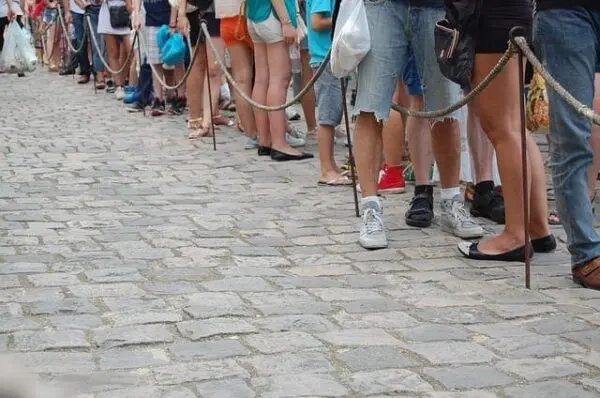 The Wimbledon queue is one of the best-known public access traditions in sport. Managed through a formal system in Wimbledon Park, it offers same-day entry opportunities and remains a distinctive part of the event’s culture. For many visitors, understanding the queue helps make sense of why Wimbledon feels both traditional and unusually accessible for an event of this scale.
Wimbledon tennis dress code
Wimbledon is associated with tradition, but spectators are not subject to the all-white dress rule that applies to players. Most visitors dress smartly and comfortably for a summer day outdoors while also preparing for changing weather.
Wimbledon museum
The Wimbledon Museum sits within the All England Club and gives visitors a year-round way to explore the history of The Championships. For people interested in the event beyond the day’s play, it adds useful context to the traditions, champions, and moments that have shaped Wimbledon over time.
Wimbledon map
A Wimbledon map is useful for first-time visitors because the grounds are larger than many people expect. Knowing where the courts, gates, restaurants, facilities, and key landmarks are can make the day easier and reduce unnecessary walking between matches.
FAQs
What are the Wimbledon Championships?
The Wimbledon Championships are the oldest tennis tournament in the world and one of the four Grand Slam events, held annually on grass at the All England Lawn Tennis and Croquet Club.
Where are the Wimbledon Championships held?
They are held in Wimbledon, London, at the All England Lawn Tennis and Croquet Club.
When are the Wimbledon 2026 dates?
Wimbledon 2026 runs from Monday 29 June 2026 to Sunday 12 July 2026.
When is the Wimbledon order of play released?
It is usually published the evening before play and acts as the official daily schedule.
How does the Wimbledon queue work?
The Wimbledon queue is a managed public system in Wimbledon Park associated with same-day entry routes.
Conclusion
Wimbledon is a major global sporting event, but it can seem complicated to first-time visitors. Understanding the schedule, the queue, the role of the show courts, and the difference between public access and debenture access helps make the event much easier to navigate. Once those basics are clear, the day itself becomes much easier to picture, whether you are attending for the atmosphere, the tennis, or the experience of being at The Championships in person.