



































Six Nations Championship Guide
Six Nations Championship, Dates, Venue, Tickets & VIP
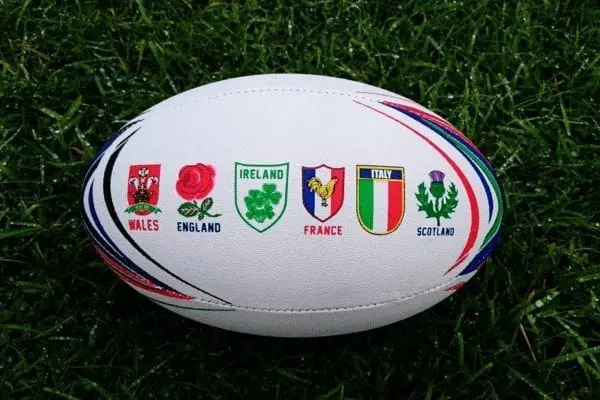
The Six Nations Championship is rugby union’s premier annual international tournament, contested by England, Ireland, Scotland, Wales, France, and Italy.
Skip the guide and view tickets
This guide explains how the competition works, explores the major rivalries, outlines venues and host cities, and provides practical context around fixtures and matchdays. It is designed as an informational overview for supporters researching the tournament rather than purchasing tickets.
This guide is intentionally informational. It covers the structure of the competition, the rivalries that shape it, what the venues are like, and how supporters typically plan matchdays. If your next step is exploring attendance options, you can view our commercial hub separately: Six Nations Tickets (link below).
Key Information
• Event: Six Nations Championship (rugby union)
• Nations: England, Ireland, Scotland, Wales, France, Italy
• Typical season: Late winter (commonly February–March)
• Format: Round-robin
• Matches: 15 total fixtures per tournament
• The Teams: England, Ireland, France, Italy, Scotland and Wales
• Note on fixtures: Six Nations dates, kick-off times, and venues can change and should always be verified through official tournament and union channels
Introduction
 The Six Nations Championship occupies a unique position in the international rugby calendar. For many supporters, it represents the most concentrated expression of elite European rugby, combining longstanding national rivalries with a format that leaves little room for error.
As a Six Nations tournament, the structure is intentionally compact. Each nation plays only five matches, meaning that momentum can swing quickly and every fixture carries disproportionate importance.
This intensity is a defining feature of Six Nations rugby and a major reason why interest remains high even beyond the participating countries.
For those researching six nations championship rugby, this guide provides a neutral overview of how the competition operates, how fixtures are typically organised, what venues are involved, and how matchdays tend to unfold. It is designed to inform rather than direct, offering context without commercial emphasis.
History & Significance
The modern championship is deeply rooted in six nations history, drawing on traditions that predate professional rugby. Over time, the competition has evolved in playing style, preparation, and presentation, but its cultural significance has remained constant.
Several factors underpin the tournament’s standing:
• Longstanding national rivalries that extend beyond sport
• Annual continuity, which reinforces familiarity and narrative
• A small number of fixtures, each carrying clear consequence
Because of this history, the Six Nations Championship is often seen as more than a sequence of matches. It functions as a recurring cultural marker, returning each winter with familiar opponents, recognisable venues, and renewed expectations.
How the Six Nations Championship Works
The six nations format follows a round-robin structure:
• Each of the six nations plays every other nation once
• There are fifteen matches in total
• Teams alternate home and away fixtures across seasons
This simplicity is part of the tournament’s appeal. Supporters do not need to follow complex qualification systems or knockout stages; instead, the table evolves week by week as results accumulate.
Points and standings
While the detailed points system is set out officially, from a supporter’s perspective the key point is that standings can change rapidly. Bonus points and points difference can influence final positions, which is why even late-stage matches between lower-placed teams often retain competitive intensity.
Grand Slam and Triple Crown
• A Grand Slam occurs when one team defeats all other teams in the same championship
• The Triple Crown applies only to matches between the Home Nations and is determined by results within that group
Understanding these concepts helps explain why certain fixtures attract particular attention, even before the tournament begins.
Six Nations Teams
The six nations teams competing in the championship are England, Ireland, Scotland, Wales, France, and Italy. Each nation selects a squad representing its senior international side, drawing from domestic and overseas professional leagues.
While the participating teams remain constant, squad composition, coaching approaches, and playing styles vary from year to year. This balance between continuity and change is a key reason the championship avoids predictability despite its stable structure.
Six Nations Fixtures, Schedule & Dates
Supporters researching six nations fixtures often begin by looking for a broad sense of timing rather than specific kick-off details. The six nations schedule typically spans several weekends in late winter, organised into distinct rounds rather than continuous matchdays.
Six nations dates are announced ahead of the tournament, but it is important to treat early schedules as provisional. Kick-off times, broadcast considerations, and venue logistics can lead to adjustments closer to the event.
From a planning perspective, fixtures are best viewed as a framework rather than a fixed itinerary until officially confirmed.
Vendettas and Notable Match Types and Notable Match Types
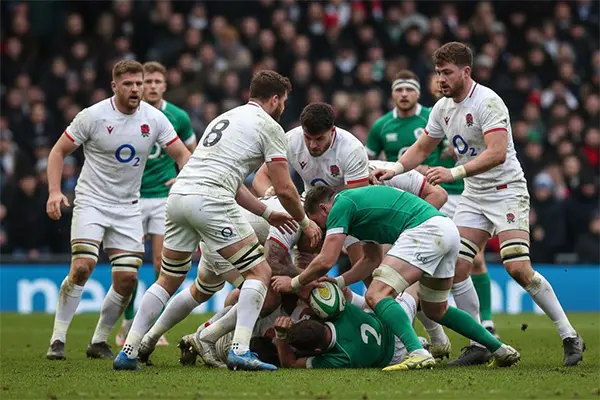 Although every match contributes equally to the standings, certain fixtures are traditionally regarded as highlights for historical reasons and supporter interest.
England vs Scotland
Often associated with long-running rivalry, England–Scotland fixtures tend to generate a strong atmosphere regardless of form. Expectations and narratives can shift quickly in response to recent results.
England vs Wales
These matches are frequently characterised by intense crowd involvement and significant travelling support. Whether played in London or Cardiff, they often shape the tone of a championship weekend.
Ireland vs France
In recent seasons, Ireland–France encounters have regularly been framed as decisive matches. Even when not formally determining the title, they often carry that level of intensity.
France home fixtures
France’s home matches are notable for their stadium environments and city-based matchday culture, which can be a draw for travelling supporters.
Italy fixtures
Italy’s matches provide a different experience, often combining international rugby with destination travel. While results vary, the appeal is frequently linked to the broader trip rather than the match alone.
Six Nations Venues, Stadiums & Host Cities
The championship is staged across a series of established international grounds. Six Nations venues are typically large-capacity stadiums designed for international sport rather than club competition.
These six nations’ stadiums are located in prominent urban centres, meaning their host cities often play a central role in the overall experience. Transport access, accommodation availability, and pre-match activity vary by location but contribute significantly to how supporters experience a matchday.
While host venues are generally consistent across nations, changes can occur due to redevelopment or operational requirements, underscoring the need to verify official confirmations.
Matchday Experience
Although each venue is different, there are common elements that shape matchdays across the tournament:
Arrival and access
International fixtures draw large crowds, and arrival times are often managed through designated entry routes and security screening. Planning is advisable, particularly in city-centre locations.
Atmosphere
The combination of national anthems, crowd participation, and the physical nature of international rugby creates an atmosphere that differs notably from that of club fixtures or televised viewing.
Seating perspectives
Rugby stadium layouts vary. Some supporters prefer proximity to the pitch, while others value higher seating for a clearer view of tactical shape and movement.
Group attendance
The tournament’s scheduling often makes it suitable for group attendance, whether with family, friends, or organised parties, particularly when fixtures fall on weekends.
Scheduling and Planning Considerations
From a practical standpoint, supporters often consider:
• Travel distance between host cities and transport hubs
• Flexibility around kick-off times
• Accommodation availability during match weekends
Because the Six Nations spans multiple countries, planning is often part of the overall experience rather than a separate consideration.
Premium Experiences (Informational Context)
In some venues, supporters may encounter hosted or premium matchday environments. These experiences differ by location and are best understood as a category rather than a single standard offering. The common feature is a more structured matchday setting, but specifics vary significantly between venues.
This guide does not assess availability or suitability; it simply notes that such formats exist within the broader Six Nations landscape.
Tickets (Neutral Navigation Only)
Supporters who wish to explore attendance options can do so via a separate commercial hub that consolidates match listings and access types.
View: Six Nations Tickets
https://www.ticketstosee.com/tickets/six-nations-tickets/
Important: TicketsToSee operates as a secondary-market ticket broker. We are not an official box office, organiser, or governing body, and we do not represent the Six Nations Championship or national unions.
FAQs
When does the Six Nations Championship take place?
The tournament is typically held in late winter, most commonly in February and March. Exact dates vary year to year.
Which teams play in the Six Nations?
England, Ireland, Scotland, Wales, France, and Italy.
How many matches are in the Six Nations?
There are 15 matches in total, with each team playing five fixtures.
Where are Six Nations matches played?
Matches are hosted across the participating nations, with venues determined by the home team and announced in the published schedule.
What does a Grand Slam mean in the Six Nations?
A Grand Slam refers to a team winning all five of its matches in a single championship.
Are Six Nations venues the same every year?
Host stadiums are generally consistent but can change due to redevelopment or logistical requirements.